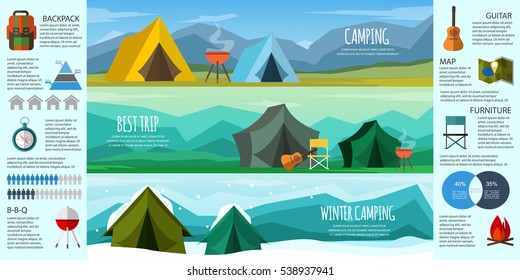
Why Insulation Is the Secret to Four-Season Outdoor Camping
Most campers consider tents, resting bags, and stoves when they prepare a journey, but the solitary factor that figures out whether you'll in fact delight in outdoor camping in every season is insulation. Whether you're battling an icy spring early morning, a blazing summer season afternoon, or the bitter cold of wintertime, how well your gear catches or launches heat makes the distinction in between a miserable evening and a comfortable one. Insulation isn't simply a winter months issue. It's the peaceful design behind every successful camping journey, no matter the calendar day.
What Insulation In fact Does
At its core, insulation slows the transfer of warm in between your body and the setting. In cold conditions, it maintains the heat you generate from leaving right into the air around you. In warm problems, good insulation can do the reverse, maintaining exterior heat from creeping in and assisting your sanctuary remain cooler than the outside world. This double feature is why the same principles that maintain you cozy in January can aid you stay comfortable in July, just applied in different ways.
Winter Camping: Where Insulation Is Non-Negotiable
When temperatures drop below freezing, insulation comes to be an issue of safety and security rather than easy comfort. A resting bag with the incorrect temperature level ranking, a slim sleeping pad, or a tent with poor wind resistance can result in hypothermia even if the air temperature level appears survivable theoretically. The ground is usually colder than the air, which is why sleeping pads with a high R-value issue just as much as the bag itself. Layered garments, protected boots, and a well-sealed outdoor tents all work together to develop a buffer zone between your body and the cold. Stinting any kind of one of these aspects can reverse the benefits of the others.
Insulation Isn't Just for Cold Weather
It's appealing to presume that insulation only matters when it's chilly outside, however that's a mistake that captures several summer campers camping stove off-guard. Reflective insulation, breathable camping tent textiles, and shaded rainflies all lower solar warm gain, maintaining your shelter from developing into an oven throughout the day. The very same principle applies to your sleep system. An improperly aerated resting bag in summer can trap temperature and leave you sweating and sleepless, so picking lighter, extra breathable insulation for warm-weather journeys is equally as crucial as picking heavier insulation for winter months ones.
Shoulder Seasons Demand one of the most Flexibility
Springtime and loss are typically the trickiest seasons for insulation planning due to the fact that temperatures can swing substantially between day and night. A solitary afternoon might begin in shirtsleeves and end in a parka. This is where adaptable systems radiate. Layering ends up being crucial, and gear that can be added or removed quickly, like a functional resting bag lining or a jacket with zip-out insulation, gives you the flexibility to react to altering problems without bring multiple full sets.
Developing an Insulation System, Not Just Acquiring One Item
The greatest misunderstanding about outdoor camping insulation is that it boils down to one purchase, like a really cozy resting bag. In reality, insulation functions best as a system. Your body loses heat via conduction, convection, and radiation, and each of these paths needs to be addressed independently.
The Ground Layer
Sleeping pads and groundsheets prevent warmth loss with conduction, which is usually the fastest method your body loses heat when you're resting on cold ground. Also the warmest resting bag can not compensate for a pad that isn't ranked for the conditions.
The Sanctuary Layer
Your camping tent or shelter takes care of convection, blocking wind and controlling air flow. A four-season tent with correct person lines and a full rainfly does even more to maintain you warm than an added blanket ever before could.
The Personal Layer
Clothes and sleeping bags handle both radiation and some convective loss, capturing a layer of warm air near your skin. This is where materials like down and artificial fill make a genuine distinction, each providing various tradeoffs between warmth, weight, and efficiency when wet.
The Payback of Getting Insulation Right
When insulation is dialed in appropriately, something fascinating takes place: the season quits being the choosing consider whether you have a great journey. A well-insulated setup suggests a January trip can really feel just as comfy as a June one, and a scorching afternoon ends up being equally as workable as a great evening. That uniformity is what divides occasional fair-weather campers from those that camp confidently throughout the year.
Insulation isn't glamorous. It doesn't turn up in photos the means a stunning camping site or a roaring fire does. Yet it's the invisible foundation that makes every other part of the experience feasible. Master it, and the rest of outdoor camping, in any kind of season, ends up being even more pleasurable.